
Computing
Intent
At Thomas Jolyffe, we believe that computing is an essential part of preparing children for the modern world. Technology is fast-moving, creative and exciting, and we want our pupils to feel confident and capable in using it. Through a carefully planned and progressive curriculum, we equip children with the knowledge, skills and understanding they need to use technology effectively, safely and responsibly.
Our computing curriculum is designed to inspire curiosity, problem-solving and creativity. By the time they leave us, pupils will have developed secure skills across the three strands of the National Curriculum:
- Computer Science – understanding how computers and systems work, and developing programming skills.
- Information Technology – using a range of software and digital tools to create, organise and present work.
- Digital Literacy – becoming confident, responsible and safe users of technology.
Implementation
Since 2024 we have followed the Teach Computing curriculum, developed by the National Centre for Computing Education. This provides a clear progression of knowledge and skills from Early Years to Year 6, ensuring children revisit and deepen their understanding as they move through the school.
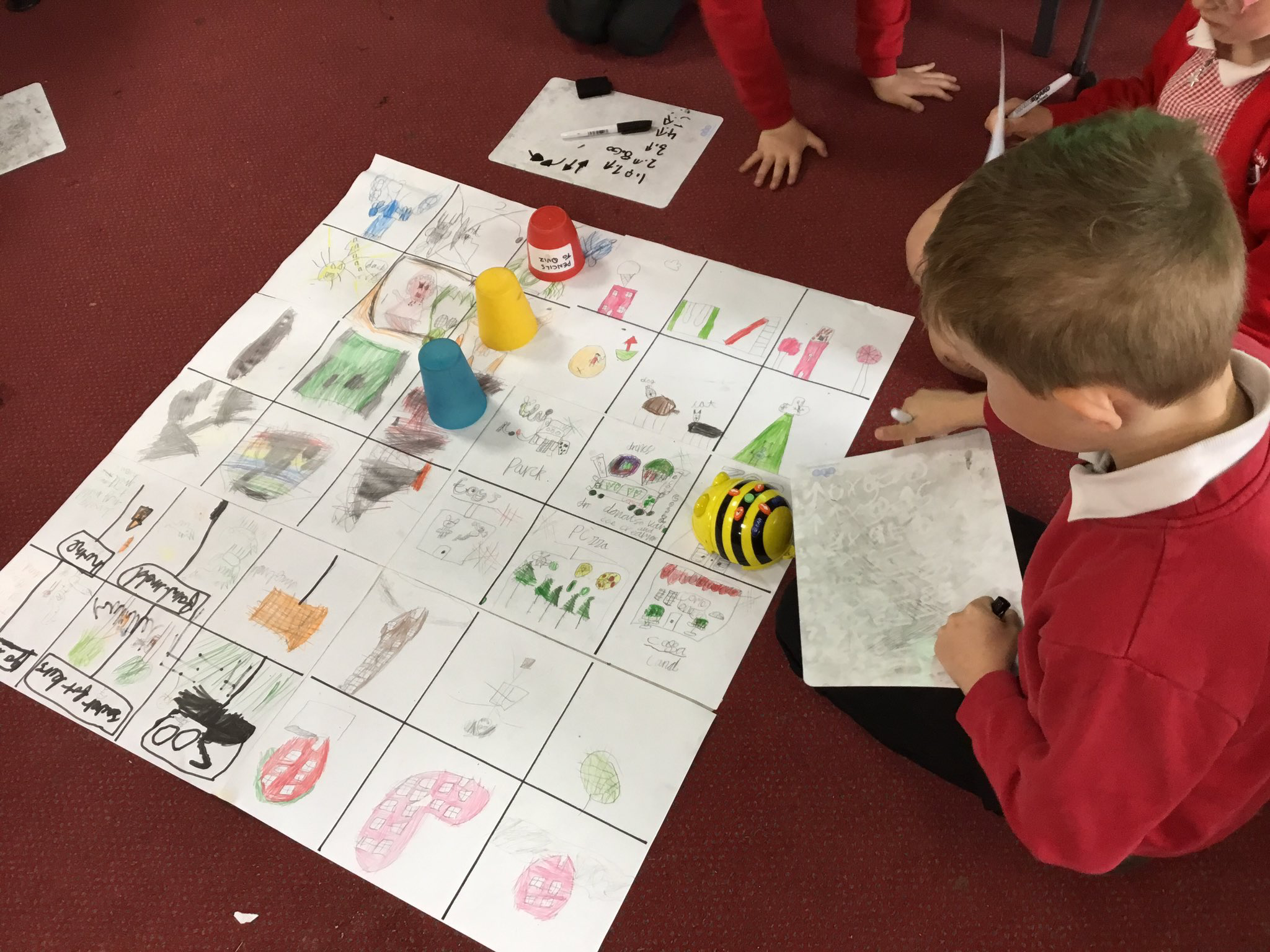
In Early Years and Key Stage 1, pupils begin with hands-on exploration of algorithms and simple programming using tools such as Beebots, while also learning key skills such as typing, using trackpads, and saving their work. As they move through Key Stage 2, children explore more complex programming, computer systems and networks, and use a wide range of digital applications to support their learning across the curriculum.
Online safety is embedded throughout every year group, supported by the National Online Safety platform. Pupils are taught how to recognise risks, make safe choices and know what to do if something goes wrong. We also involve parents and carers so that our whole community works together to keep children safe online.
Information Technology in Key Stage 1
Information Technology in Key Stage 2
Wider Opportunities
Computing is not taught in isolation – it is embedded across the curriculum to enhance learning in other subjects. Whether researching online in history, creating graphs in maths, or producing digital art, children are encouraged to see technology as a powerful tool for learning and expression.
Online Safety
The Teach Computing Curriculum covers all of the Online Safety objectives in the national curriculum. If you would like further resources to stay safe online, you can access them here.
Impact
Our Computing curriculum ensures that all pupils develop the knowledge, skills and confidence to become digitally literate, computational thinkers by the time they leave primary school. Through a carefully sequenced and progressive programme of study, children build secure understanding in computer science, information technology and digital literacy.
By the end of Year 6, pupils are able to:
-
Understand and apply fundamental principles of computer science, including logic, algorithms and debugging
-
Design, write and evaluate programs using a range of age-appropriate tools
-
Use technology purposefully to create, organise, store, manipulate and retrieve digital content
-
Communicate and collaborate safely and respectfully online
-
Demonstrate resilience, problem-solving skills and independence when using technology
Our curriculum ensures that pupils are not only confident users of technology but also responsible digital citizens. They leave primary school fully prepared for the demands of secondary education, equipped with the technical skills, critical thinking abilities and online safety awareness needed to thrive in an increasingly digital world.
Digital Leaders
We also celebrate pupil leadership through our Digital Leaders programme. These enthusiastic ambassadors for computing meet regularly to share ideas, test new technologies, support peers, and help shape the way computing develops in our school.
Miss A Arnold
Computing Coordinator